
Search Duval County Recent Bookings
Duval County recent bookings are handled by the Sheriff's Office at the county jail in San Diego, the county seat of this south Texas county. Duval County has a population of about 11,000 and sits between Laredo and Corpus Christi along the interstate corridor. The jail processes arrests from local law enforcement, state troopers, and other agencies operating in the area. Each booking generates a public record with the person's name, charges, arrest date, and bond details. This page explains how to search for recent bookings, find court records, and access legal resources in Duval County.
Duval County Booking Overview
Duval County Recent Bookings Search
The Duval County Sheriff's Office in San Diego runs the jail and keeps all booking records. When a person is arrested anywhere in the county, they are taken to the jail for processing. Staff take fingerprints, record personal details, and log each charge into the system. Once that data is entered, it becomes part of the public record. You can ask the Sheriff's Office about a specific booking by calling or visiting in person.
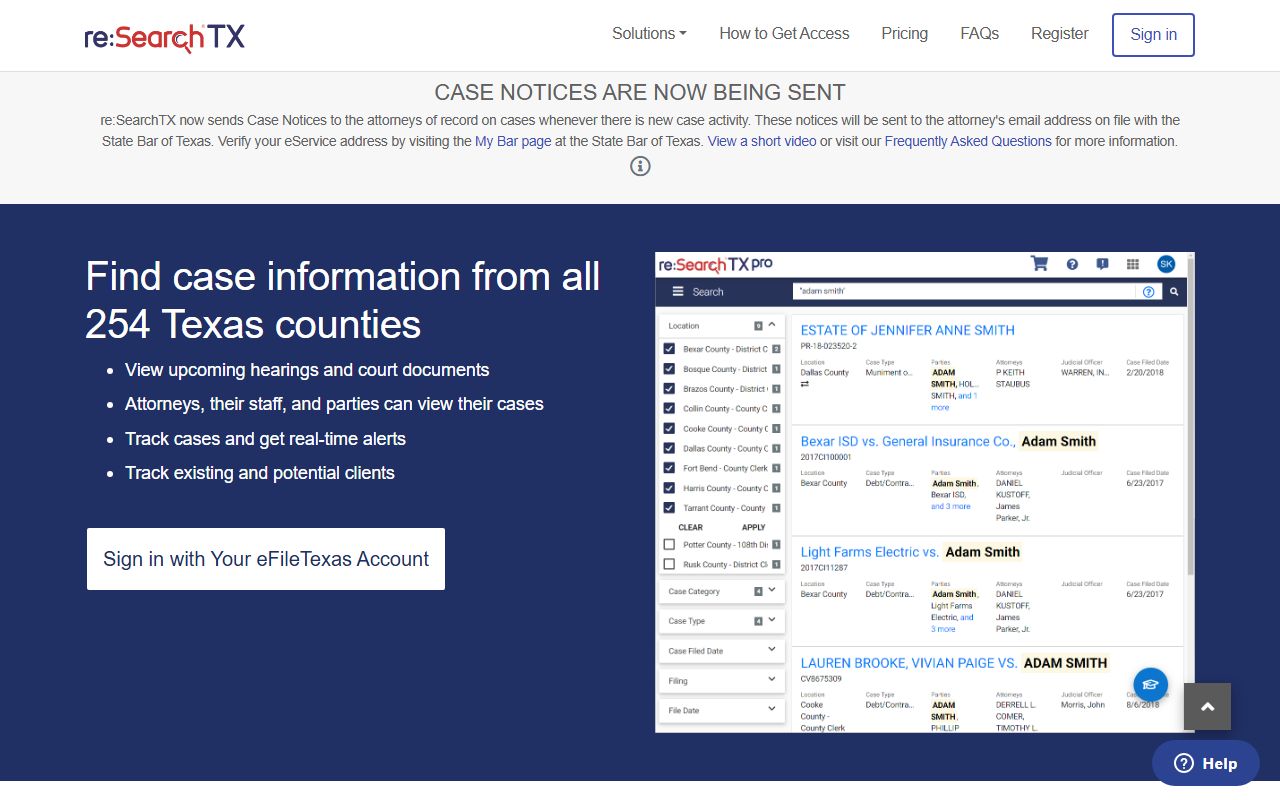
For a broader search, the statewide court records system is a good starting point. The re:SearchTX portal lets you look up cases filed in Duval County courts by name or case number. It pulls from the same e-filing system that local courts use. You will not find the raw booking record there, but once charges are filed and the case enters the court system, it shows up in the database with case status, charges, and hearing dates.
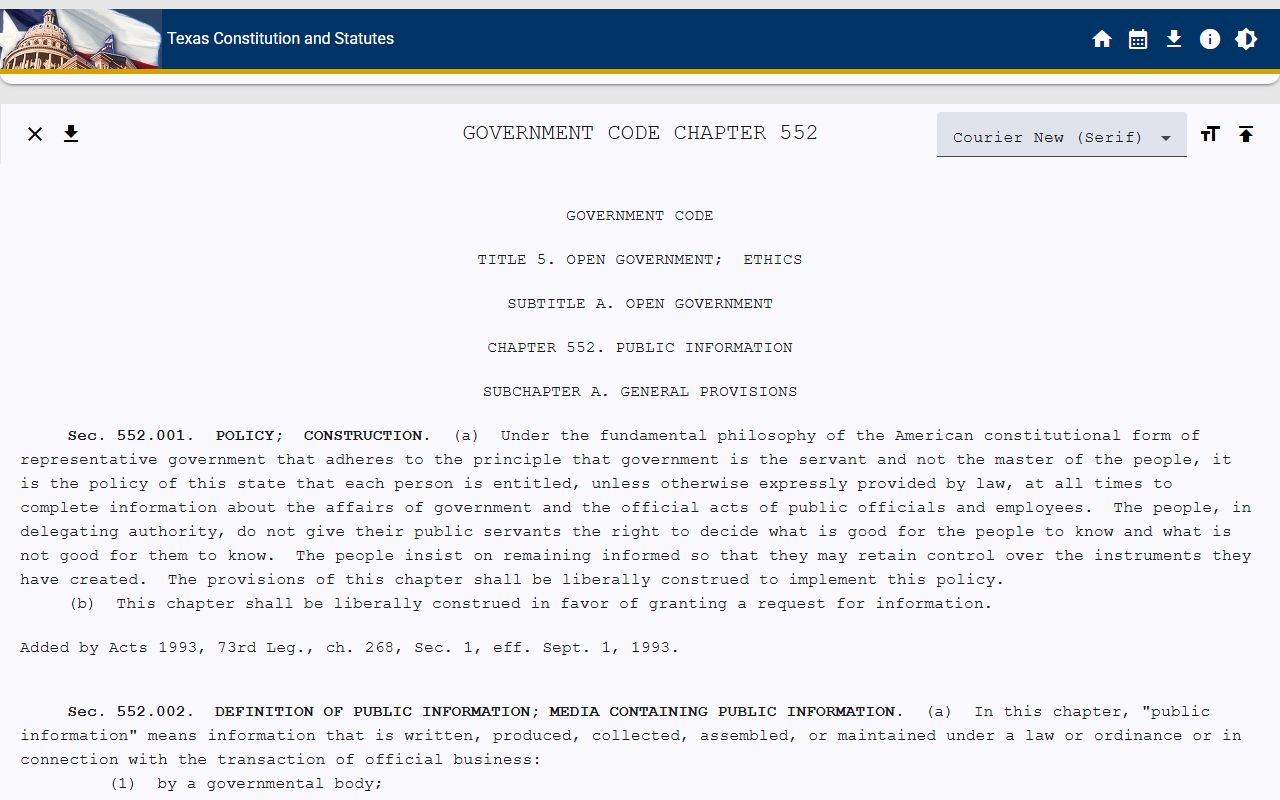
All booking data is public under the Texas Public Information Act, Government Code Chapter 552. You do not need to give a reason for your request. The law is clear on this. Anyone can ask for booking records, and the agency must respond within 10 business days.
Note: New bookings may take several hours to appear in any online system after the arrest occurs. For the most current custody information, contact the Duval County Jail directly in San Diego.
After Recent Bookings in Duval County
Every person booked into the Duval County Jail must see a magistrate within 48 hours. The Texas Code of Criminal Procedure sets this rule. At the hearing, the magistrate confirms probable cause, reads the charges, and sets bond. The defendant also learns about their right to a lawyer. If they cannot pay for one, the court will appoint an attorney.
Bond works the same way in Duval County as it does across the state. Cash bonds mean the full amount goes to the court. Surety bonds go through a bail bondsman who charges a fee, usually around 10%, and posts the rest. Personal recognizance bonds let the person sign a promise to appear without putting up money. The type of bond depends on the charge, the person's criminal history, and whether the judge sees them as a flight risk. Felony charges generally come with higher bonds. Some serious offenses can result in no bond at all.
The 229th Judicial District handles felony cases in Duval County. County courts manage misdemeanors. Once the district attorney files charges, the case moves from the jail's booking system into the court system. The District Clerk then tracks all filings, hearings, and outcomes from that point on.
Duval County Court Records and Recent Bookings
Booking records show what happened at the jail. Court records show what happened after. The Duval County District Clerk's office in San Diego keeps all criminal and civil case files. You can search by defendant name or case number. The office is in the Duval County Courthouse, and staff can help with phone or walk-in requests during business hours.
The Duval County District Clerk's office shown here provides access to the court records system used for cases processed in the county.
Through the Texas Courts website, you can find information about the court structure serving Duval County and links to local court pages.
For online searches, re:SearchTX is the best free tool. It covers every county in Texas and shows case data including charges, hearing dates, and case status. It does not replace the full file at the clerk's office, but it gives you the key details without a trip to San Diego. The system updates as courts process new filings, so recent cases should appear within a few business days of the initial hearing.
Requesting Duval County Booking Records
The Texas Public Information Act gives anyone the right to request copies of booking records, arrest reports, and incident reports from the Duval County Sheriff's Office. No reason is needed. Send your request by mail, drop it off in person, or follow whatever process the Sheriff's Office has set up. Include the person's name, approximate date of arrest, and any other details that help narrow the search. The agency has 10 business days to respond.
Copy fees follow state rules. Standard copies cost $0.10 per page. Certified copies run $1.00 per page. For large requests, the agency may send a cost estimate before starting the work. Under Section 552.108 of the Government Code, some records can be withheld if releasing them would harm an active investigation. But basic booking data like name, charges, arrest date, and bond is almost always released. The law leans toward disclosure. If an agency wants to hold something back, it must get a ruling from the attorney general, which is uncommon for routine booking requests.
Understanding Charges in Duval County Bookings
Each booking record lists the specific charges and the statute sections that apply. The Texas Penal Code classifies every criminal offense and sets the penalty range for each class. Looking at the charge level on a booking record tells you a lot about how serious the case is and what the person may be facing.
Texas felony classes break down like this: first degree carries 5 to 99 years in prison, second degree is 2 to 20 years, third degree runs 2 to 10 years, and state jail felonies mean 180 days to 2 years. All felony classes can include a fine of up to $10,000. Misdemeanors are less severe. Class A is up to one year in jail and a $4,000 fine. Class B tops out at 180 days and $2,000. Class C is a fine only, with a max of $500. You won't see many Class C arrests in the booking log since those offenses don't carry jail time.
The statewide jail standards portal is shown below, which oversees the Duval County Jail and all other county detention facilities across Texas.
The Texas Commission on Jail Standards inspects the Duval County Jail and publishes compliance reports that are available to the public.
Duval County Jail Standards and Oversight
The Texas Commission on Jail Standards inspects the Duval County Jail on a regular basis. TCJS checks intake procedures, housing conditions, medical care, staffing levels, and how well records are kept. Inspection results are public. If the jail falls short of standards, TCJS requires fixes within a set time frame. This oversight helps make sure that booking data is accurate and that the jail runs in line with state requirements.
The Local Government Code puts the sheriff in charge of running the jail and maintaining custody records. This works hand in hand with the Public Information Act. One law says the sheriff must keep records. The other says the public can see them. Together, these create a system where Duval County booking data is both properly maintained and available for anyone to access.
Legal Help After Recent Bookings in Duval County
If someone booked into the Duval County Jail cannot afford a private lawyer, they can request a court-appointed attorney. The right to counsel kicks in at the magistrate hearing. The defendant fills out a financial affidavit, and the judge decides if they qualify. If approved, an attorney is assigned from a list of qualified lawyers. The Texas Indigent Defense Commission tracks how Duval County handles these appointments, including wait times and spending on indigent defense.
Duval County sits in the South Texas area, and legal aid services cover this part of the state. Free or low-cost legal help is available for people who meet income guidelines. These services typically cover civil matters, but some programs help with criminal defense referrals as well.
- Duval County court-appointed attorneys for qualifying defendants
- Legal Aid of NorthWest Texas or Texas RioGrande Legal Aid (depending on region) for civil matters
- State Bar of Texas lawyer referral service at (800) 252-9690
- Duval County Law Library at the San Diego courthouse for self-help legal resources
Nearby Counties
These counties border Duval County or sit close by. Each has its own jail and booking system. Check where the arrest took place to know which county holds the booking record.